


A Possible Hidden Cause Behind Meltdowns

Children can become emotional or cranky when struggling to express feelings, and working toward emotional literacy is a normal part of child development. But emotional dysregulation can indicate another often-overlooked cause of tantrums and meltdowns: low blood sugar. Also called hypoglycemia, low blood sugar can impact mood and behavior when either of these conditions are present:

  • A child is not eating frequently enough to maintain steady blood sugar;
  • A child is not consuming enough calories in the course of a day.

The latter circumstance can also happen during growth spurts, when a growing child’s caloric needs typically increase.

Behavioral Signs of Low Blood Sugar

Blood sugar dips can result in symptoms that vary from mild behavioral changes to more serious mood dysregulation, depending on how low or fast it drops. Below are some common signs and symptoms of low blood sugar:

  • Irritability or anger
  • Aggressive behavior
  • Extreme emotions or tears
  • Tantrums or meltdowns
  • Anxiousness, restlessness, or agitated behavior
  • Frustration or irrational behavior
  • Oppositional or defiant behavior
  • Inability to regulate emotions
  • Quiet, withdrawn, or lethargic mood changes

Understanding Low Blood Sugar’s Effect on Behavior

Hypoglycemia can occur when a child does not eat a balanced snack, i.e., a fruit (for sugar and potassium) and a vegetable (for sodium), every two hours. One key to stabilizing blood sugar levels is frequent snacking  throughout the day. Offering adrenal-supportive snacks to your child every two hours between meals helps to stabilize blood glucose levels. Longer durations between fueling can force the body to run on adrenaline, which can trigger a “wired,” stressed, anxious, or overstimulated feeling.

Preparing and serving frequent snacks on the daily can feel challenging to a parent working to support a child’s health. I’ve been there, and I know how it can be, so I’ve put together some tips and strategies to help you streamline your efforts.

Plan Ahead

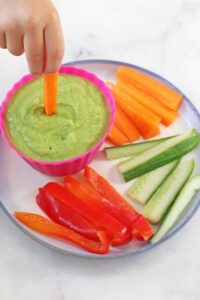
One way to keep a child well-fueled is to offer a variety of healthy snack options in a bowl or plate that is easily accessible to your child. This means that they can graze when they want to and be a little less reliant on you to prepare snacks.

I recommend prepping snack options in the morning, washing and cutting fruit and veggies such as apples, mangoes, celery, and melons. Snacks like grapes only require washing, as long as your children are old enough to handle eating grapes. 

Healthy Snack Ideas

  • Apples
  • Grapes
  • Bananas
  • Melons
  • Mangoes
  • Cucumbers
  • Celery
  • Berries
  • Dates
  • Spinach
  • Oranges
  • Raisins
  • Red bell pepper (Note: green bell pepper is an unripened pepper and can be hard for some to digest).

Including a combination of both sweet fruits and savory vegetables such as celery and cucumbers creates a key adrenal combination of glucose and mineral salts, helping to keep a child’s adrenals happy all day long.

If your child is hesitant to consume certain fruits or veggies, offering yummy healthy dips like this guacamole, or this pizza hummus or this sweet pea dip  or this plant-based tzatziki can help to encourage eating these nutritious foods.

Anticipate Blood Sugar Dips

Planning meals and snacks ahead of time can be hugely helpful toward avoiding erratic behavior. When my children were young, I regularly placed a platter of fruits and vegetables on the kitchen table for the kids to nosh on, usually about an hour or so before dinner – a time when I sometimes noticed behavioral shifts. Depending on how close we were to dinner, I sometimes included a healthy dip for them to dip their fruits and veggies into. An added bonus is that hungry kids are often more willing to eat healthy foods.

Offer Choices

A sense of independence and control over food choices can be important to some children. Offering a variety of healthy, colorful choices and letting kids build their own plate is a great way to encourage healthy eating while letting a child feel a sense of autonomy.

This kind of scenario creates a safe structure. Mom remains responsible for what foods are offered while the child gets an appropriate amount of control over which foods they choose to eat.

Another option is to ask whether the child prefers apples or oranges, rather than asking what they would like to eat, for example. This communicates that the child’s preferences matter within a healthy boundary.

Offer a Smoothie

Smoothies are a great way to bring in lots of healing, nutrient-dense foods in indetectable ways. Try serving an easy version with banana, frozen fruit, spinach, and coconut water for a great mid-day boost. Letting your children participate in the smoothie-making process helps to build investment and interest.

Ingredients like raw honey and coconut water can be added to smoothies to help build their nutrient profile. The indistinguishable taste of these powerhouse ingredients makes them easy to slip in undetected. Additionally, if your child will accept a smoothie that is green in color, you can add a small handful of spinach. The taste is virtually undetectable and the benefits are huge.

On-the-Go Tips

Planning ahead is key for late school pickups, doctor’s appointments, errands that take longer than expected, sports practices, and other kinds of travel. When leaving home, pack healthy snacks for kids and parents to nosh on while out and about to help prevent blood sugar crashes at inopportune times. This routine practice can also decrease a kid’s tendency to beg for treats when passing ice cream shops, bakeries, etc.

Include Heartier Snacks

Fruits and vegetables are nutritional powerhouses but cannot fully satisfy the caloric needs of a growing child who may need heartier snacks at times. A few examples of clean, healthy choices include:

  • Clean gluten-free crackers
  • Nuts and nut butters (be cognizant of fat intake)
  • Sunflower seeds
  • Crispy, roasted chickpeas
  • Homemade muffins or cookies
  • Sweet potato fries (oven-baked)
  • Banana boats with seed butter and raisins
  • Olives

Avoiding unproductive foods like dairy, eggs, gluten, and other common allergens is equally as important as offering healthy snacks for reasons that are beyond the scope of this article. Whenever possible, also consider skipping processed sugar and high-fat snacks.

Give it Time

Many parents and experts agree that it can take several repeated exposures to the same foods before a child acclimates to new flavors. Don’t get discouraged if your child is rejecting healthy choices. It means that they are rejecting them in this season of life  – not necessarily forever.
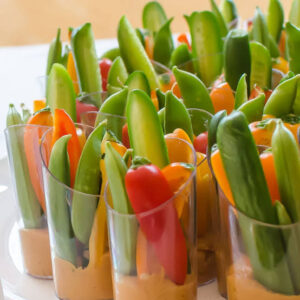
I have witnessed big changes in hesitant children, and I know that anything can change over time. Keep introducing these foods, stay positive and never push. Make it fun in whatever creative ways you can think of. Equally important is to let your children see you eating the same foods you are encouraging them to eat. Children learn so much by example.

Consistently offering mostly whole plant food options, with some processed snacks containing only a few clean ingredients, pays off over time. The naturally-occurring bioavailable sugar (glucose) in whole plant foods like fruit is structurally different than processed sugar; it is intrinsically bound to vital nutrients our bodies need. You will slowly increase your child’s nutrient reserves, building a stronger, more resilient body.

Progress Over Perfection

When faced with a difficult choice between a less-than-ideal snack or no snack at all, remember that children need calories not only to grow and develop, but also to avoid a blood sugar crash. The key to building a strong, healthy body is to consistently work toward making calories count as frequently as possible. There will be good moments and bad ones. Give yourself grace on the bad days, and consistently work upward from there.

I hope this road map helps you navigate your way to a calmer household. At times there are nuances involved in more complex cases, and extenuating circumstances can make navigating this kind of health issue more challenging. For individualized support with your child’s blood sugar issues, you can schedule a 1:1 consultation.