
Intermittent Fasting: An Alternative Look
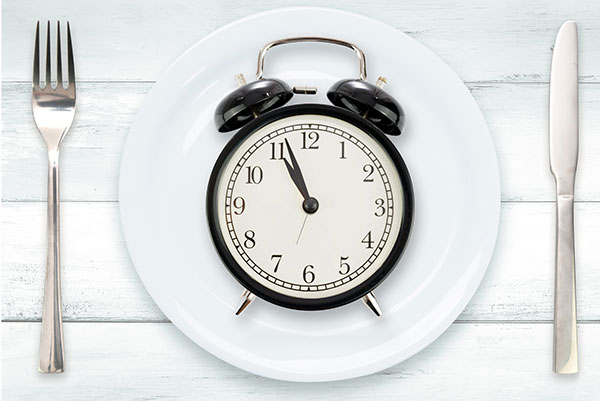
The current popularity of intermittent fasting (IF) is undeniable. As a time-restricted eating plan set within a daily window of allowable times to eat, IF focuses on when one eats, rather than what one eats.
With IF, many people see initial improvement in different areas of their health, such as lower fat mass, improved lipid profile, and a reduced waist. There are reasons for this. When a person stops eating a high-fat diet in the morning, they actually give their liver a much-needed break from processing fats and extend the liver’s daily detox time. For some, this relief can mean initial weight loss, a lighter feeling in the body, and other benefits such as a reduced waistline.
But it’s not rosy. IF dieters often report side effects like headaches, dizziness, fatigue, and irritability after only a short amount of time. There are real reasons for this. Intermittent fasting only manages a problem; it does not solve it.
There are hidden downsides to intermittent fasting that come with a potential price on your future health. Over time, intermittent fasting can tire the adrenal glands, causing blood sugar issues, and weakening the body overall. IF is ideally suited for strong, healthy individuals whose adrenals can withstand a sustained withdrawal from food. For those with weaker adrenals, IF can quickly contribute to a health downfall.
Another common mistake that IF dieters often make is to increase their caffeine intake while intermittent fasting. There’s real reasons people do this. IF can cause major energy dips when the body is not consistently fueled throughout the day. Over time, the combination of fasting and caffeine can exacerbate adrenal strain. This domino effect can impact health in multiple adverse ways, including potential health consequences down the road.
Most people cannot sustain IF for more than 6-12 months, and very few far beyond that. For many, prolonged intermittent fasting can be a recipe for burnout, hair loss, aging skin, sluggish liver, weight gain, fatigue, anxiety, depression, and other symptoms and conditions later in life.
There are important biological reasons these symptoms can arise. A highly restrictive diet is simply not natural nor sustainable. Our bodies are meant to be fueled consistently throughout each day, and we are meant to graze. Every cell in our bodies depends on clean critical carbohydrates (carbohydrates from whole, plant-based foods, not processed foods) for life and functionality.
When we skip meals, the body runs out of glucose. As a result, it then needs to release adrenaline into the bloodstream to compensate for a lack of energy. Repeatedly forcing the body to produce adrenaline for an extended period of time can take a toll on the body.
Focusing on restricted time windows for eating while ignoring food quality is not a sound approach to health either. Food quality always matters.
Intermittent fasting initially creates the illusion of progress but over time can also cause blood sugar instability, causing the body to rely on stress hormones rather than steady fuel throughout the day. This creates blood sugar instability over time.
People with mystery symptoms and conditions who are looking to try intermittent fasting as an answer might be surprised to learn that IF can not only hinder chronic illness recovery but worsen symptoms.
IF is a temporary aid that can support someone in the short term if they are healthy. But for a person with chronic illness, IF is best avoided. Pregnant or breastfeeding women or women with a history of eating disorders should also not undertake IF for any reason.
Unfortunately, intermittent fasting is not the answer that many people assume it is, and too many people are finding out the hard way. Whatever your health goals are, there are safer ways to support your body in achieving those goals. For 1:1 support, you can schedule time with me here.