
Why Low Fat Matters
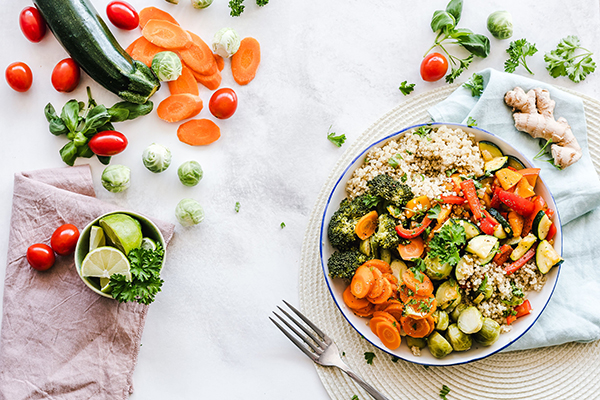
It’s not popular to talk about how the cumulative effect of excess fat in the body can set the stage for many health conditions over time. Everything we read or hear about these days is about indulgence and food freedom. Yet keeping fats low not only promotes long-term health but can play a critical role in reversing many chronic health conditions, such as type 2 diabetes, hypertension, high cholesterol, and autoimmune diseases and conditions.
Among its many functions, one of the liver’s main jobs is to create bile. Bile is a yellow-green fluid that breaks down and emulsifies fats in the small intestine. A prolonged period of high fat consumption can hamper this process, and the liver can start to struggle to produce enough bile to properly break down foods.
When this occurs, digestion is impaired and nutrient absorption is compromised. A struggling liver can lead to stubborn weight gain and what is commonly labeled as “slow metabolism.”
The heart and liver are responsible for pumping fresh blood to organs (the liver filters blood and the heart pumps it). Overt fats thicken the blood, making the heart work harder to pump blood. This sets the stage for chronic conditions.
Reversing Chronic Conditions Naturally
“When fats are removed from the diet for long enough, it thins the blood enough to reverse all kinds of symptoms and conditions.”
– From Cleanse to Heal by Anthony William
One of the best ways to reverse any chronic condition is to lower your fat consumption for a period of time. Here are some helpful ways to do that.
Extend Your Daily Detox Window
Staying fat-free each morning until around noon is a powerful way to support the liver’s natural cleansing abilities. When we remove fats from our diet in the morning, we allow the liver a break from processing fats and an opportunity to continue its detoxification work for a few more hours. Foods like oatmeal, potatoes, sweet potatoes, fruits, and smoothies make great breakfasts that don’t add overt fats to your morning. Note: if you’re making oatmeal, skip the nuts, seeds, and butters.
Reduce Animal Fats
We live in a society where excess protein intake is normalized, while rates of chronic illness, kidney issues, and inflammatory lifestyle diseases continue to rise. It is interesting to note that in conventional medical settings, when a person develops significant kidney dysfunction, doctors commonly advise the reduction or elimination of excess animal protein due to how hard these types of proteins can be on struggling kidneys.
Animal proteins are inherently high in fat, so the challenge becomes what to eat when decreasing those high-fat foods from the diet. I’m here to say that there is a whole world of delicious low-fat recipes online today.
Many people misconceive that plant-based eating is a sacrifice. It’s quite the opposite, actually. Plants have so many incredible flavors. Once the palate shifts, one starts to truly appreciate these wonderful flavors and how this way of eating makes the body feel. It is truly life-changing.
It’s important to note that protein exists in fruits, vegetables, potatoes, leafy greens, and all other plant foods. Additionally, many people are getting far more than they need while at the same time missing important nutrients that help the body utilize protein. No nutrient exists in isolation in our bodies; they all work symbiotically.
When we increase these life-changing foods in our daily diet and simultaneously reduce fat consumption, we give the body the support it needs to begin to reverse chronic disease.
Great Hacks to Lower Fats
The best way to circulate nutrients, including protein, through the body with greater ease is to lower overall consumption of overt (radical) fats in the diet over a period of time. Here are some great ways to do that.
Highlight Whole Foods
Choose whole grains, beans, lentils, potatoes, and vegetables as the foundation of meals. If you are a meat eater, reduce the portion size and feature other plant-based components like vegetables, potatoes, rice, or quinoa more prominently on your plate.
Cook Without Oil
Did you know you can sauté with broth, water, or a splash of coconut aminos instead of oil? This method is called water sauteing, and it is very commonly used in the thriving whole foods plant-based community.
You can also roast vegetables on parchment or silicone mats and add seasonings and a squeeze of lemon for a very flavorful, oil-free dish.
Swap Creamy Bases
You can use blended cashews or white beans instead of seed oils or dairy substitutes for creamy dips and sauces.
Air Fry
An air fryer is an outstanding investment for your kitchen, but you can also use your conventional oven to crisp foods, like burritos and potatoes, just by increasing the temperature to around 400 to 425 degrees and using parchment paper on the baking tray. Note: I do not recommend increasing oven temperature to higher than 425 degrees or parchment paper can burn.
Build Flavors
Bring in lots of herbs, spices, and aromatics like onion and garlic. Citrus is another great way to add dimension to foods, adding brightness to all kinds of dishes – vegetables, sauces, dressings, soups, and meats.
Swap Out the Dairy
Opt for pureed tomato, tomato paste, cashew cream, or pureed white beans as a base for sauces and dips, instead of using cream, yogurt, or cream cheeses.
Other Tips to Lower Fats
When it comes to fat, even healthy plant-based fats like avocados, nuts and seeds can thicken and slow blood flow in the body. While healthy fats have many nutritive benefits, portion mindfulness is still advised, no matter what kind of fat is being consumed.
Eating low fat requires intention and can take a little time to get used to. If you are struggling with any kind of chronic condition, I recommend a daily fat intake goal of 30 grams or less. If this seems hard to achieve, you can start slowly and work your way down as you slowly increase satiating and satisfying calorie-dense plant foods. Adjusting to new flavors and new eating routines can be a process, so be kind to yourself, take it slowly, and celebrate the wins.
I also recommend reading food labels for total fat content, as well as avoiding packaged foods that list oil as one of the first ingredients. In most countries, packaged food labels are generally required to list ingredients in descending order by weight.
Always remember that your body is always working hard for you and never against you. Anything you do to ease its overall burden will go a long way toward creating better health and longevity for you in the future.